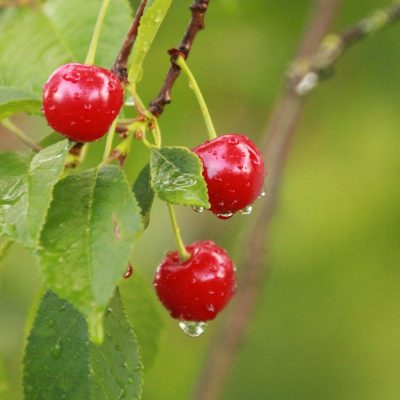
24 May
Extract from an article:
“When is it most beneficial to cut unwanted branches from cherry trees?”
“Latvju Dārzkopis”. June issue, 1931.
“On fruit trees, the cutting of branches, that is, thinning the crown and removing unwanted branches, is usually done while the tree is dormant — in autumn, winter, or early spring. Cherry trees are the exception, and in general they are great opponents of the knife; cutting their branches in autumn or spring may do them harm.
The branches of cherry trees can be cut without ill effect only at the end of July, when the berries have been harvested and a new phase of activity begins in the trees — the concentration and settling of the sap. It is then that all the dry, half-dry and half-diseased branches among the healthy ones are best seen. Sawing or cutting them off at this time produces the best healing of the cuts — the closing of wounds — and the cherry tree is protected from gumming. The affliction of fresh branches drying out during flowering also ceases when branches are cut at the right time, and cherry trees grow and crop excellently.
(..) Whoever is not succeeding with growing cherries should try [this] method, and success will not be long in coming. (..)”
24 October.
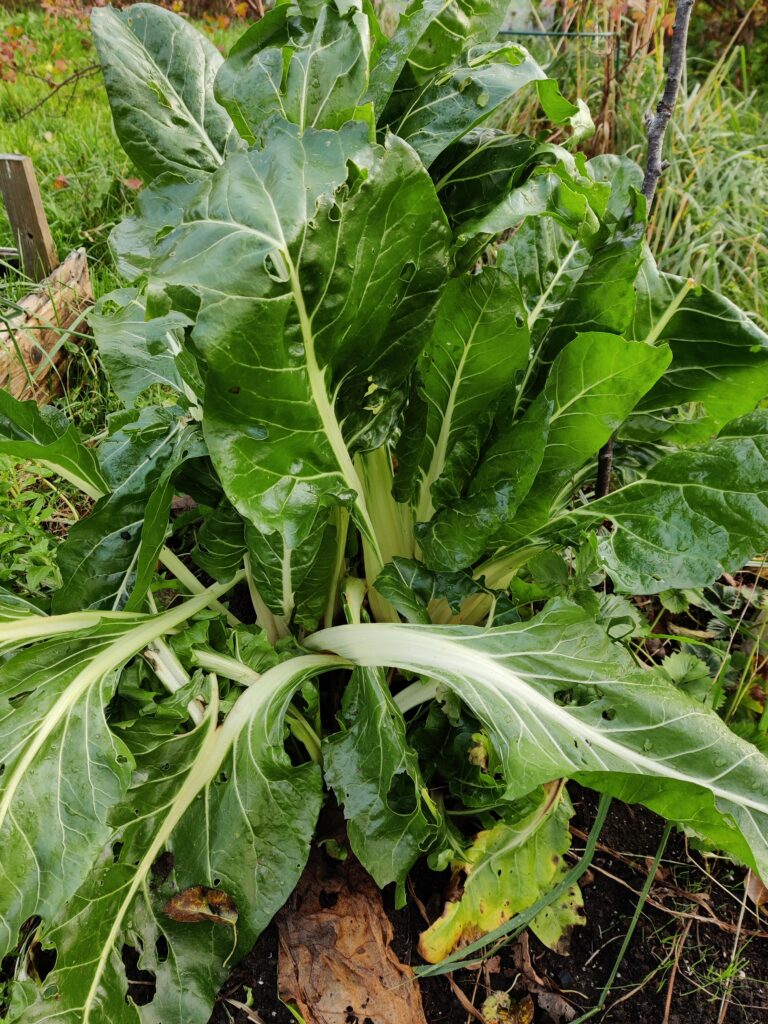
This year I became convinced that chard, or leaf beet, grows well in the garden. The juicy stalks and leaves are eaten — they contain many trace elements (magnesium, copper, potassium, iron), vitamins (C, K) and 13 different polyphenol antioxidants. Chard stalks can be fried, added to stews and salads, and blended into green smoothies. In spring I sowed the seeds both in a pot in the greenhouse and in a bed — they came up both ways and are still cropping. -Inta
10 August
Spanish slugs have reached our gardens too. They must not be allowed to eat what we have grown. Share the most successful methods of dealing with them .
https://www.daba.gov.lv/public/lat/zinas/3214/